





Whether you want to replace your non-native turf grass or have too much shade for turf grass to grow, there are native solutions to these problems.
Native sedges thrive in understory conditions. They add texture and softness to any garden. And some sedges are host plants as well (such as Cherokee Sedge).
There are many to choose from - some might fit your particular needs better than others. If you are looking for a full coverage and tall lawn type feel, Webberville Sedge (Carex perdentata) fits the bill. Under favorable conditions it fills in quickly. It can handle sun to shade without issues, but it will want more water in full sun conditions. I find that part sun to part shade is its sweet spot.The shadier the spot you plant them, the less water they will need.


Cherokee Sedge (Carex cherokensis - photo above) is another native sedge that can be used as a filler, ground cover or specimen. It has wider blades and is bigger than Webberville Sedge. It also does not spread as aggressively. It prefers part sun to part shade and is pretty drought-tolerant once established. Another native sedge Woodland Sedge (Carex blanda) is evergreen, with wider blade is a good alternative to non-native Liriope or Monkey grass.
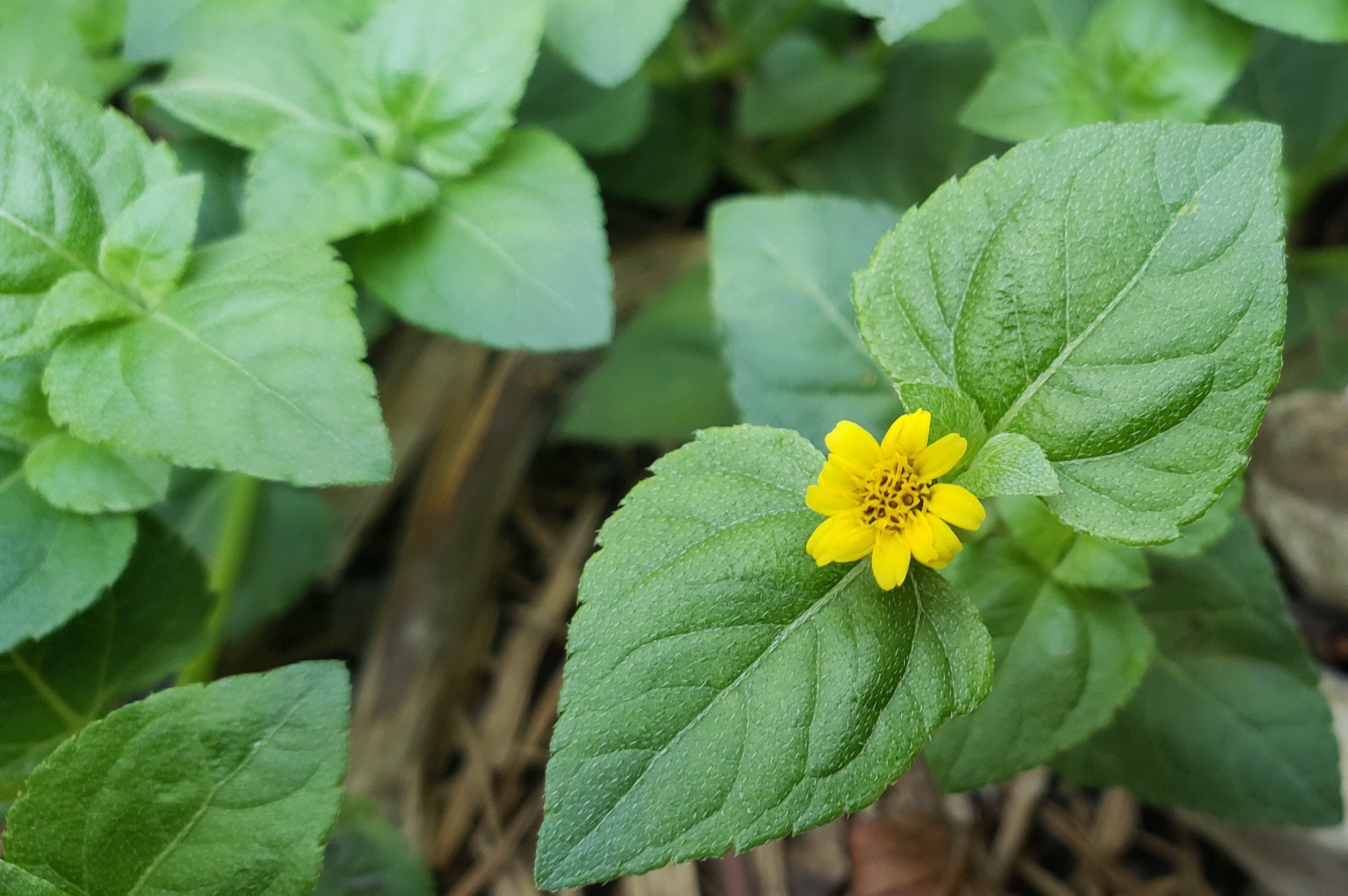
If you are looking for a ground cover that can handle some traffic and will do well in the shade, Horseherb (Calyptocarpus vialis) is my go-to. It is drought-tolerant once established and covers an area quickly (with sufficient water). It weathers summers better with some supplemental water, but can survive them without, the caveat being that it will most likely go dormant. It disappears in the winter but comes back reliably in the spring. It is a host plant for Bordered Patch butterfly and its tiny, yellow flowers feed the pollinators.


Golden Groundsel (Packera obovata) is another great, low-growing, evergreen ground cover for partly sunny to shady spots. It blooms early in the spring and looks stunning planted in drifts.

Heartleaf Skullcap (Scutellaria ovata) is often accused of spreading aggressively. But that what makes it a good ground cover. Plant it somewhere where you will not have to control it, and enjoy... The foliage is velvety, with a blue-ish tint, and the blooms are lovely shade of purple. 
