




If your garden is in Blackland Prairie ecoregion, chances are you are struggling with the deep, dense soil that packs tightly, absorbs water slowly, and has little air space for roots — but it also holds moisture well once it's soaked in and resists washing away.
That combination — rock-hard when dry, sticky and slow-draining when wet — kills a lot of plants that weren't built for it. The good news is that this exact soil is home for many Texas natives that thrive in it.
Skip the soil amendments
One instinct when facing clay is to dig it out and replace it with something lighter. Don't. Native plants are already adapted to local conditions, so amending the soil isn't necessary — a hole full of new, fluffy soil surrounded by dense clay just becomes a bathtub that holds water. The better approach: mulch to build organic matter over time, use raised beds or berms where drainage is genuinely a problem, and pick species whose root systems are already built for this ground.
Here are some Texas native plants that will thrive in clay soil. Click on the link to read more about each plant, and choose the ones that best fit the conditions present in your garden.
Trees

- Texas Redbud (Cercis canadensis var. texensis)
- Roughleaf Dogwood (Cornus drummondii)
- Possumhaw Holly (Ilex decidua)
- Yaupon Holly (Ilex vomitoria)
- Cedar Elm (Ulmus crassifolia)
- Mexican Plum (Prunus mexicana)
- Black Willow (Salix nigra)
Shrubs
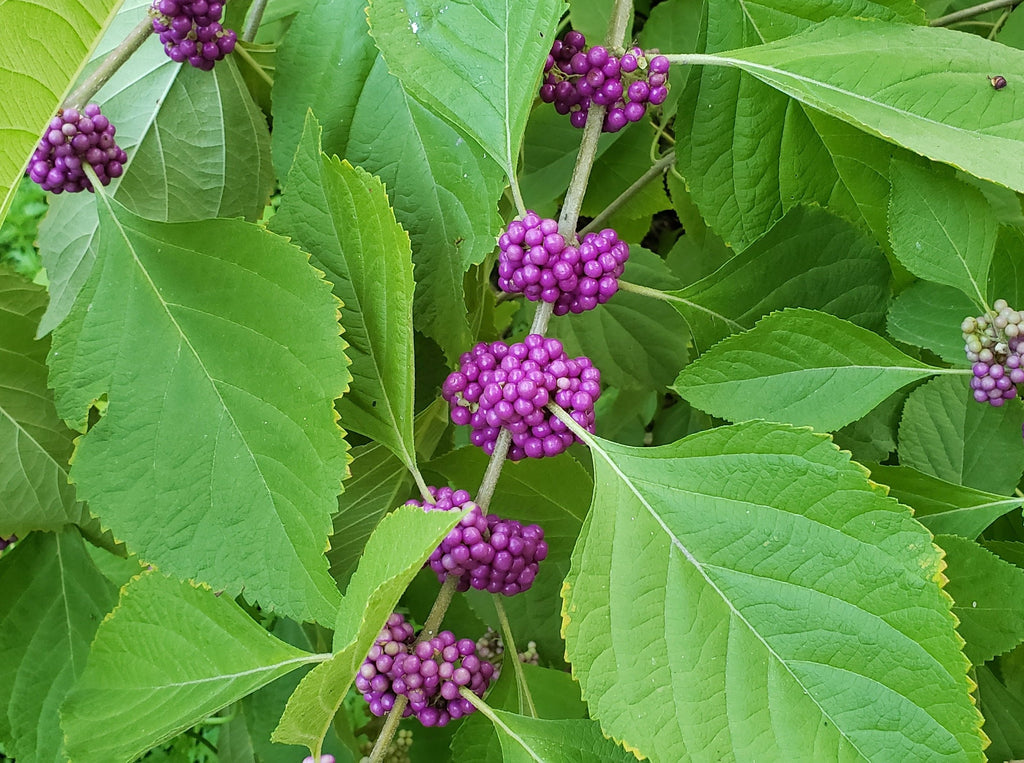
- American Beautyberry (Callicarpa americana)
- Buttonbush (Cephalanthus occidentalis)
- False Indigo Bush (Amorpha fruticosa)
- Flame Acanthus (Anisacanthus quadrifidus var. wrightii)
- Texas Kidneywood (Eysenhardtia texana)
- Elbow Bush (Forestiera pubescens)
-
Elderberry (Sambucus nigra ssp. canadensis)
Perennials

- Milkweeds - Antelope Horn (Asclepias asperula), Green Milkweed (Asclepias viridis), Zizotes Milkweed (Asclepias oenotheroides) and Whorled Milkweed (Asclepias verticillata)
- Coneflowers - Pale Coneflower (Echinacea pallida) and Narrow-leaf Coneflower (Echinacea angustifolia)
- Prairie Clovers - Purple Clover (Dalea purpurea), White Prairie Clover (Dalea multiflora), Compact Prairie Clover (Dalea compacta), and Golden Dalea (Dalea aurea).
- Winecup (Callirhoe involucrata)
- Lanceleaf Coreopsis (Coreopsis lanceolata)
- Maximilian Sunflower (Helianthus maximiliani)
- Common Yarrow (Achillea millefolium)
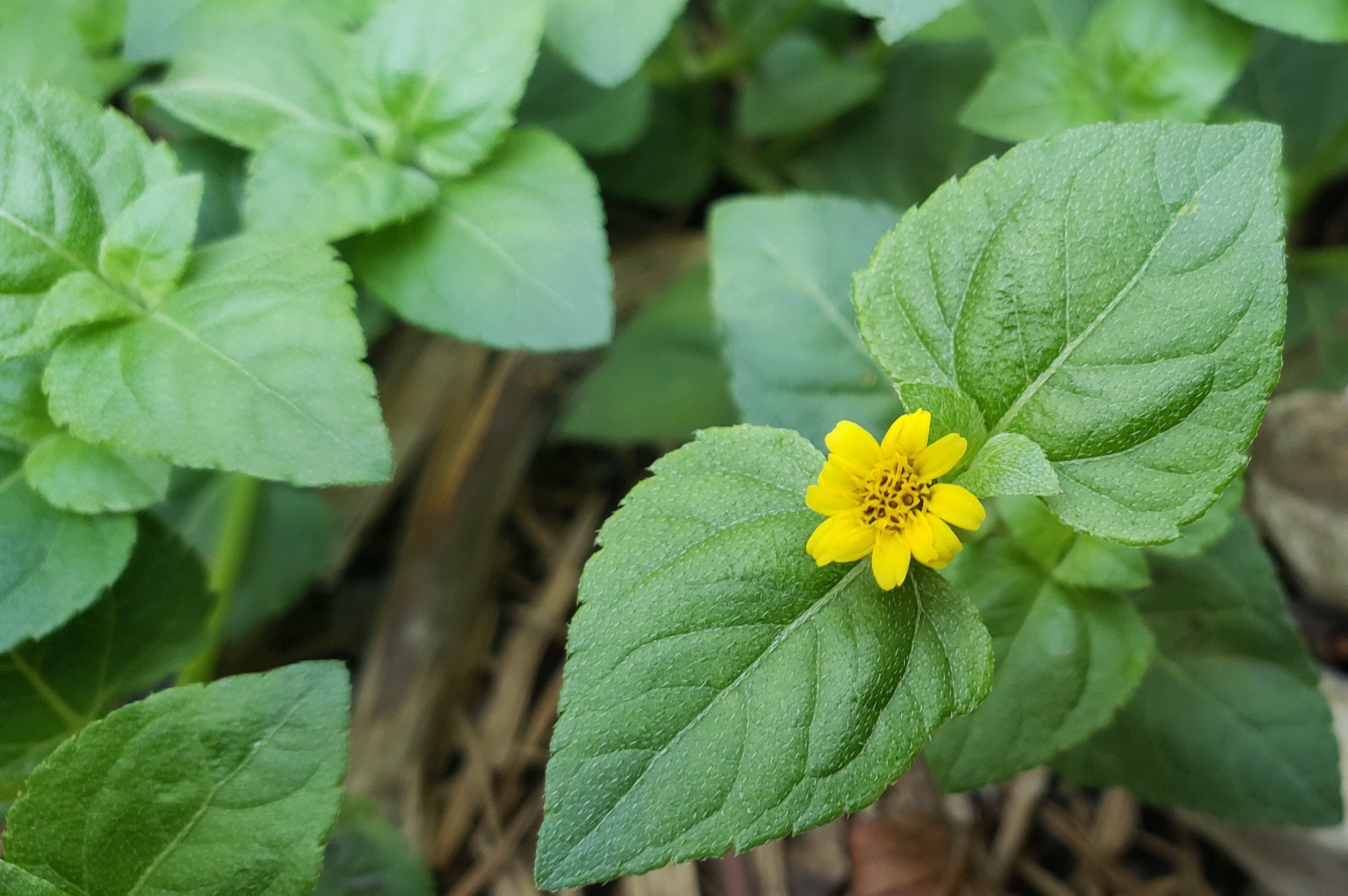
- Horseherb (Calyptocarpus vialis)
- Blue Mistflower (Conoclinium coelestinum)
- Branched Foldwing (Dicliptera brachiata)
- Late Boneset (Eupatorium serotinum)
- Frogfruit (Phyla nodiflora)
- Correll's False Dragonhead (Physostegia correllii) and Fall Obedient Plant (Physostegia virginiana)
- Pokeweed (Phytolacca americana)
- Prairie Petunia (Ruellia humilis)
- Mealy Blue Sage (Salvia farinacea)
- Lyreleaf Sage (Salvia lyrata)
- Gray Goldenrod (Solidago nemoralis)
- Frostweed (Verbesina virginica)
- Rattlesnake Master (Eryngium yuccifolium)
- Turk's Cap (Malvaviscus arboreus var. drummondii)
Grasses

- Big Bluestem (Andropogon gerardii) and Bushy Bluestem (Andropogon glomeratus)
- Sideoats Grama (Bouteloua curtipendula) — Texas's state grass
- Blue Grama (Bouteloua gracilis) and Buffalograss (Bouteloua dactyloides)
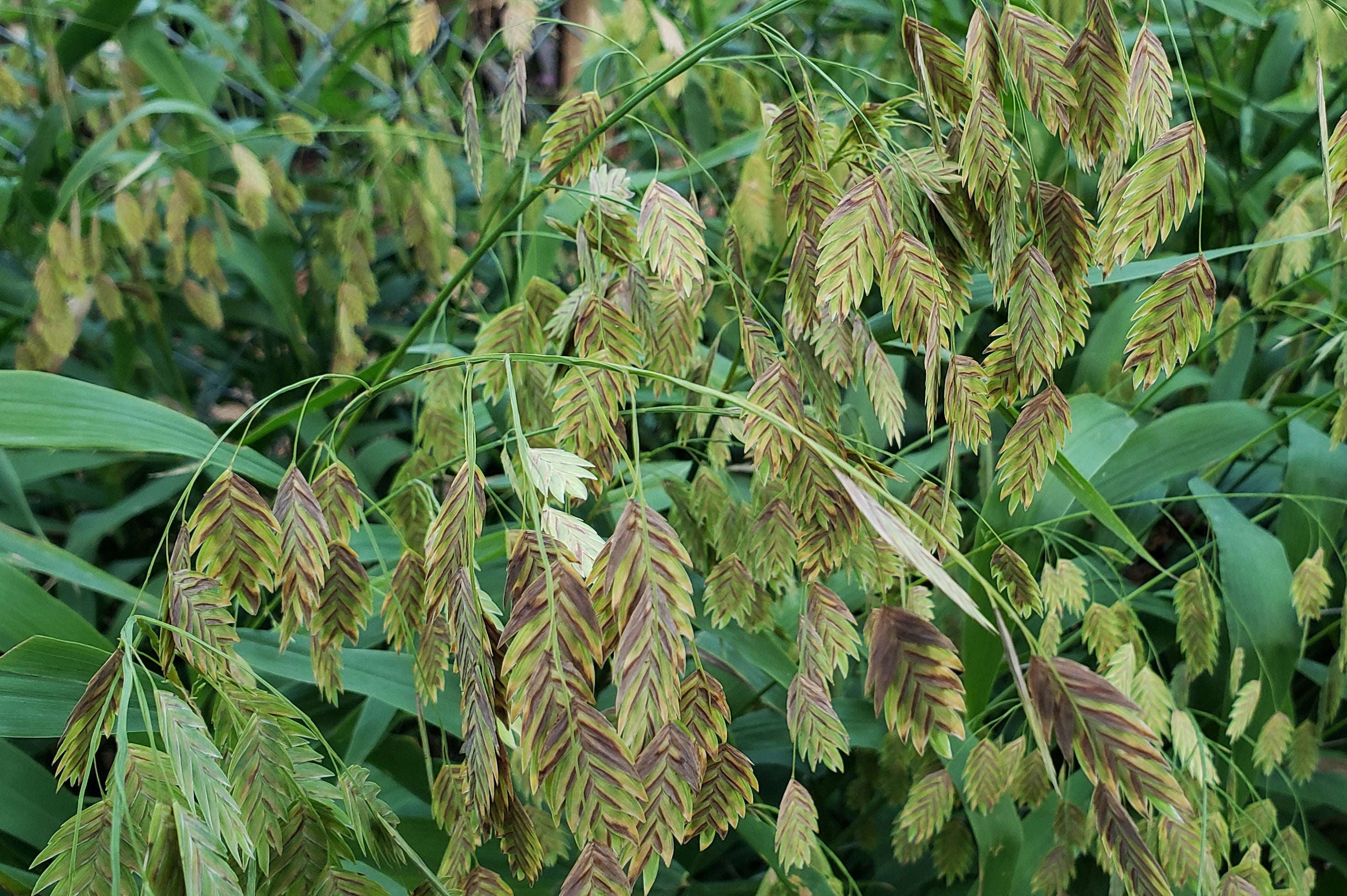
- Inland Sea Oats (Chasmanthium latifolium)
-
Woodland Sedge (Carex blanda) and Cherokee Sedge (Carex cherokeensis)
- Indiangrass (Sorghastrum nutans)
- Switchgrass (Panicum virgatum)
- Pink Fluffgrass (Tridens congestus)
- Lindheimer Muhly (Muhlenbergia lindheimeri)
- Gulf Muhly (Muhlenbergia capillaris)
- Seep Muhly (Muhlenbergia reverchonii)
- Eastern Gamagrass (Tripsacum dactyloides)
Vines and ground covers

- Coral Honeysuckle (Lonicera sempervirens)
- Drummond's Clematis (Clematis drummondii)
- Purple Clematis (Clematis pitcheri)
- Virginia Creeper (Parthenocissus quinquefolia)
A note on choosing the right plant for the right spot
Not sure which ecoregion your yard falls in? Look up your address on an ecoregion map You can also check your soil by hand — a handful of moist soil that feels gritty or crumbles apart points toward the Cross Timbers, while soil that's sticky and holds together like modeling clay points toward the Blackland Prairie farther east. Plenty of North Texas yards sit right on the boundary between the two, so it's completely fine to mix plants from both lists, depending on the conditions specific to your garden.
Every purchase puts 5% toward a Texas conservation nonprofit of your choosing.
